How Pawn Shops Check Serial Numbers and ID: Legal Rules
Quick Take Summary Batch 2026-04-b2
Based on national pawn compliance codes and public LeadsOnline documentation to explain common ID and serial-number practices.
- Typical pawn range (national): Requires government-issued photo ID (18+) and intact console serial numbers; most licensed shops require valid identification under state pawn laws.
- With two OEM controllers: Consoles with missing or defaced serial plates are frequently rejected because shops cannot safely document the item.
Check Your Console's Real Value
Don't guess. Use our free calculator to see exactly what shops in your area are paying for this console right now.
Get Your Personalized Pawn Estimate in 60 Seconds
Our calculator uses the latest batch data (Batch 2026-04-b2) to give you instant, data-backed estimates. Factor in condition, accessories, location, and issues—all in one place.
- Cash and store credit range estimates
- Location-based adjustments for your metro area
- Personalized negotiation checklist
Quick Answer: ID and Serial Checks
One-Sentence Conclusion: To pawn a console, you usually need a valid government-issued photo ID and an intact physical serial number sticker, which may be logged for local police review depending on jurisdiction.
- Ensure the physical serial sticker matches the digital serial in Settings.
- Bring a valid, unexpired government ID (Driver’s License or Passport).
- Be prepared for municipal fingerprinting or photo logging if required.
- Factory reset the system to protect your personal account privacy.
- Missing or scratched physical serial sticker (likely rejection).
- Expired ID, school ID, or work badge (likely rejection).
- System flagged as stolen in LeadsOnline or similar database (Confiscation).
- Age under 18 (cannot legally sign transaction contracts).
Verified April 28, 2026. Data updated via Batch 2026-04-b2.
Methodology & Compliance Context
This page serves as a practical compliance guide for secondary electronics markets, not professional legal advice. The guidance is based on industry compliance standards, public LeadsOnline materials, National Pawnbrokers Association resources, and official examples such as Texas Finance Code Chapter 371 (external link, opens in a new tab). Note that local municipal codes and state laws dictate the exact reporting methods and check-in procedures.
If you are trying to secure fast cash by searching for a pawn console near me to get cash today, you need to understand that the transaction is not anonymous. Whether you decide to sell vs pawn your system, pawn shops are regulated financial institutions. They are legally required to verify the identity of the seller and document the unique serial number of every electronic device they purchase or accept as collateral.
According to public compliance resources from the LeadsOnline Crime Solvers Database Portal (external link, opens in a new tab) and standard guides from the National Pawnbrokers Association (external link, opens in a new tab), transaction logging is designed to protect pawn shops from receiving stolen property and help law enforcement track lost items.
This guide details how pawn shops check serial numbers, what databases they run, state-by-state legal variations, and what to do if your serial sticker is damaged or faded.
State and Municipal Variations in Pawn Reporting
A common misconception is that all pawn shops report to a single, centralized database under the same rules. In reality, pawn shop regulations are governed by state law and local municipal codes.
The Texas Model (Finance Code Chapter 371)
In Texas, pawnbroking is regulated by the Office of Consumer Credit Commissioner (OCCC). Under Texas Finance Code Chapter 371.204, pawnbrokers are required to maintain transaction records, but the method of reporting varies:
- The Communication Standard: Rather than a mandatory daily cloud upload to a single database, the law specifies that reporting records must be provided in a format mutually agreed upon by the pawnbroker and local law enforcement. This means some Texas jurisdictions accept electronic uploads via LeadsOnline, while others accept spreadsheets or paper receipts.
Biometric Verification and Regional Codes
Many articles claim that biometric logging (like thumbprints and physical photos) is a statewide mandate in California or Florida. This is legally incorrect.
- Local Ordinances: Biometric mandates are typically enacted through municipal or county ordinances, not state-level laws. For example, select cities in Florida and Ohio require a digital thumbprint or a webcam photo of the seller for every secondhand transaction. Other jurisdictions do not require this, as state laws focus primarily on verifying government-issued IDs.
The Stolen Goods Loop: LeadsOnline & Police Hold
Legitimate shops protect themselves from buying stolen property. Here is how the law enforcement reporting loop works:
LeadsOnline Integration
LeadsOnline is a private reporting and investigative platform used by many police departments and reporting businesses to search pawn and secondhand transaction records.
- The Log: When you sell a PS5, the shop logs your name, ID details, and the PS5’s serial number.
- The Upload: Depending on local ordinances, this data may be submitted electronically to LeadsOnline or another approved system.
- The Match: If a reported stolen serial number appears in transaction records, police can contact the pawn shop, place a hold on the item, and review the seller information.
The “Police Hold” Period
Pawn shops often do not put newly acquired goods on the retail shelf immediately. Local codes may mandate a police hold period before resale. The exact period varies by jurisdiction and transaction type.
Missing or Scratched Serial Numbers: The Rules
Many console owners run into issues where the serial sticker has worn down, peeled off, or was scratched by a vertical stand.
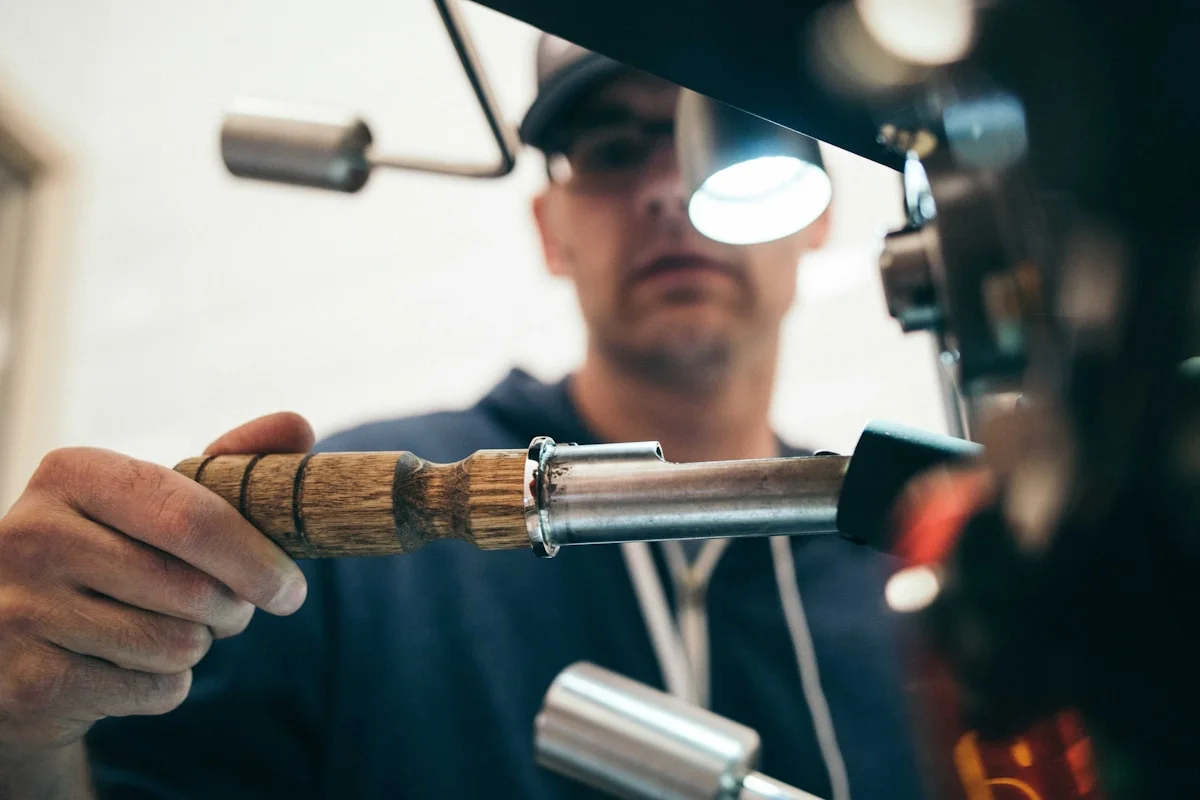
- The Practical Rejection Rule: If the physical serial number sticker on the console shell is missing, defaced, or illegible, many pawn shops refuse to accept the console. A missing serial makes the item harder to document and can create stolen-property risk for the broker.
- Software Verification Loophole (Case-by-Case): Some modern consoles (like the PS5 and Xbox Series X) store their serial number digitally in the system settings. If your physical sticker is faded but readable, the broker may boot the console and match the physical serial against the one shown under
Settings > System Information. If they match, they may proceed. However, if the sticker is completely gone, they will still likely reject it. - Worn stickers: If you are missing other items like cables, check our Missing Accessories Hub to see what to expect. If you need help with cable deductions, read our Pawning a Console Without Box or Cables guide.
ID Requirements: What You Must Bring
You cannot pawn a console anonymously. The broker will require the following:
- Valid Government-Issued Photo ID: Shops usually require a current (not expired) Driver’s License, State Identification Card, U.S. Military ID, or Passport. School IDs or work badges are usually not accepted.
- Age Limits (18+): You usually need to be at least 18 years old (in some states, 21) to sign a legal contract for a pawn loan or cash sale.
- Physical Signature & Fingerprint: In jurisdictions that require it, you must sign a physical receipt and provide a thumbprint on the transaction sheet.
Step-by-Step Counter Verification Process
When you walk in with your gaming console, the broker follows a standardized verification sequence:
| Step | Action | Security Purpose |
|---|---|---|
| 1. ID Scan | Clerk scans the 2D barcode on the back of your Driver’s License. | Logs birthdate, full legal name, and matches age requirements (18+). |
| 2. Serial Log | The unique alphanumeric serial number on the console is scanned or typed. | Enables tracking in police databases and prevents stolen trade-ins. |
| 3. Network Test | Console is booted and connected to Wi-Fi to load the eShop or PSN login. | Confirms the hardware is not console-banned or flagged by the manufacturer. |
| 4. Database Check | Transaction metadata is uploaded or queued for law enforcement sync. | Matches serials against local and national stolen property reports. |
How to Prepare Your Console for a Legal Transaction
To ensure your transaction is processed quickly and without red flags:
- Wipe Your Data: Always perform a factory reset. This ensures the broker doesn’t see personal accounts or photos during the test, which can raise privacy concerns. See our guide on Pawning a Console Without a Controller to see how to handle testing requirements.
- Clean the Case Carefully: Dirt around the serial number can look like an attempt to deface it. Clean it gently with a dry Q-tip.
- Verify It Powers On: If a console won’t turn on, the broker cannot verify the serial number in the software menu, meaning they will have to rely solely on the physical sticker—and they may offer a much lower “as-is” broken parts price.
Frequently Asked Questions (FAQ)
Do pawn shops always check serial numbers on gaming consoles?
Usually, yes. Licensed pawn shops commonly record console serial numbers when buying or accepting electronics as collateral. Reporting rules and database timing vary by local law.
What databases do pawn shops use to scan console serial numbers?
Many pawn shops use LeadsOnline or a similar regional reporting system. These systems help law enforcement search transaction records and compare them against stolen-property reports.
Can you pawn a gaming console with a missing or defaced serial number sticker?
Usually no. A missing or defaced serial number makes the console difficult to document and creates compliance risk. Even if the software serial is visible, many shops will still reject the transaction when the physical serial label is gone.
What form of ID do you need to bring to a pawn shop?
You usually need to present a valid, government-issued photo ID. This includes a state-issued Driver’s License, state identification card, military ID, or passport. Student IDs, credit cards, or work badges are usually not accepted. In addition, you must meet the legal age requirement in your jurisdiction.
Can I pawn a console without a receipt?
Yes. You do not need the original retail receipt to pawn a console. The shop relies on your government-issued ID and the serial number check to verify ownership.
Does pawning a console run a background check on me?
Pawn shops run your ID and the item’s serial number through law enforcement databases to check for stolen goods. They do not run a traditional credit background check, so pawning an item will not affect your credit score.
Related Guides & Resources
- Pawn Console Without Controller: Price Impact
- Pawn Console Without Box or Power Cables: Deduction Metrics
- Pawn Shop vs. Best Buy Trade-In Comparison
- PS5 Slim Pawn Shop Price Details
- Steam Deck Pawn Value Guide
- Nintendo Switch 2 Pawn Value Guide
*Disclaimer: Our ranges are informational and based on public data and our processing. They do not guarantee offers from any individual pawn shop.*
How We Calculate Pawn Values
Our price ranges are practical benchmarks built from public resale signals, trade-in references, and the sample files linked on each guide. Use them as a starting point before you call or visit a shop.
- Model, storage, condition, and accessory details are kept separate so you can compare similar consoles.
- Obvious outliers are reviewed before a range is published.
- Each range remains an estimate, not a guaranteed local offer.
Each guide includes a Batch ID and links to a downloadable sample CSV for transparency. For complete details on our methodology, data sources, and refresh cadence, see our full Methodology page .
FAQ
Do pawn shops always check serial numbers on gaming consoles?
Usually, yes. Licensed pawn shops commonly record electronics serial numbers where local reporting rules require item identification. This helps law enforcement trace stolen property.
What databases do pawn shops use to check serial numbers?
Many pawn shops and police departments use LeadsOnline or similar regional reporting systems to search pawn transaction records and stolen-property reports.
Can you pawn a console with a scratched or missing serial number?
Usually no. Consoles with defaced, scratched, or missing serial numbers are commonly rejected because brokers cannot safely document the item.
What ID do you need to pawn a console?
You usually need a valid, government-issued photo ID (such as a driver's license or passport) and must meet your local age requirement. Some local laws also require fingerprinting.
Can I pawn a console without a receipt?
Yes, you do not need the original retail receipt to pawn a console. The shop relies on your government-issued ID and the serial number check to verify ownership.
Changelog
- 2026-04-28 · Batch 2026-04-b2 — Updated guide to document jurisdiction-specific laws, Texas Finance Code Chapter 371 references, and local biometric caveats.
Written by ConsolePawn
Independent publisher
ConsolePawn publishes practical console pawn guides for U.S. readers who want a realistic starting range before they call or visit a shop. Our pages combine public pricing references, official hardware details, and the sample files linked in each guide.
See our Methodology page for full data collection details.
Was this guide helpful?
Your feedback helps us improve our pawn value data accuracy.
Thank you for your feedback!
Related valuations
Fresh picks curated by ConsolePawn

Xbox Price Increase: Pawn Value Impact
How does Microsoft's August 2026 Xbox Series X/S MSRP hike affect pawn shop cash offers, private resale values, and trade-ins? Read our impact analysis.
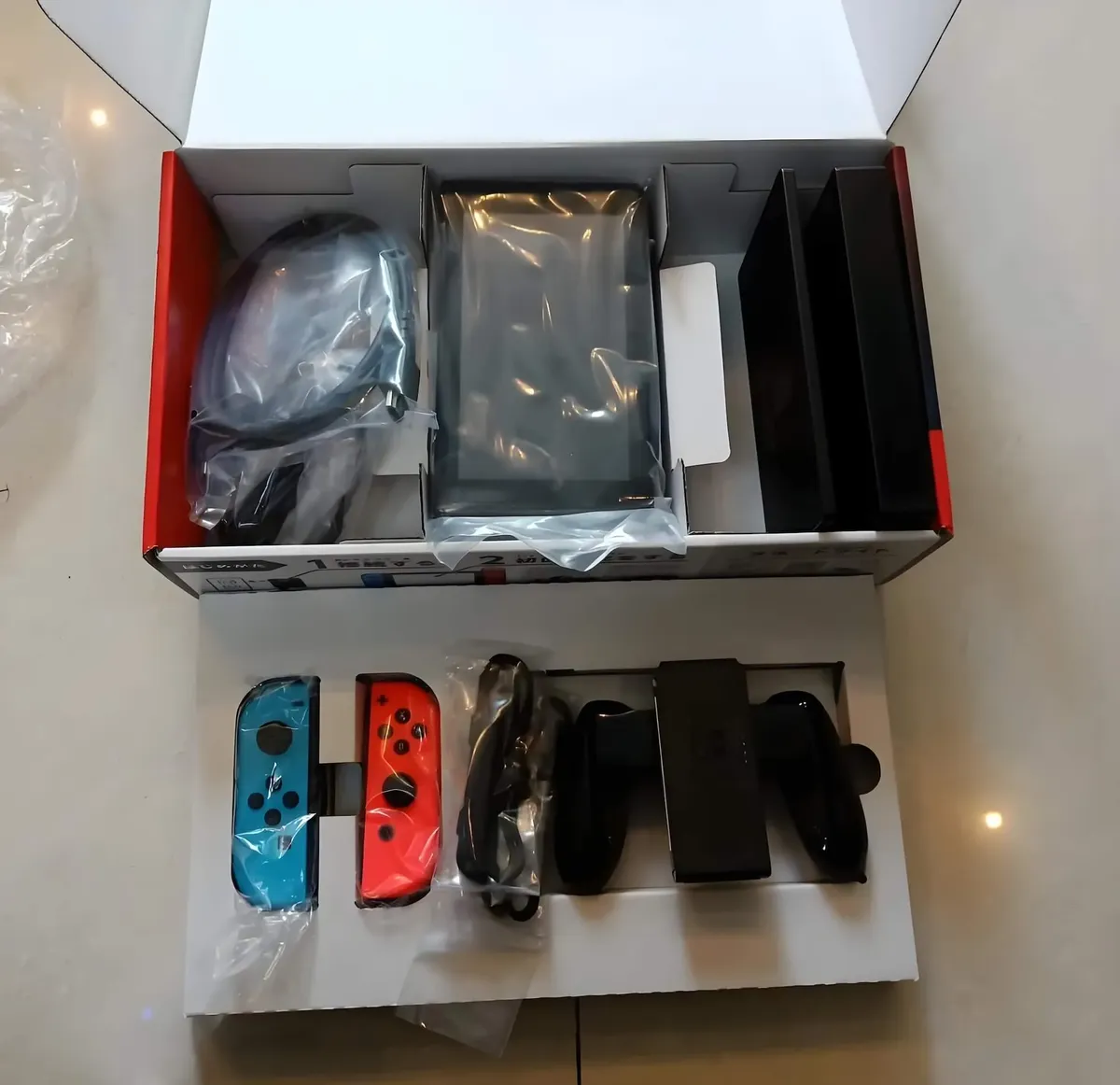
Nintendo Switch 2 Pawn Value (2026): Current Cash Payouts
What will a pawn shop pay for a Nintendo Switch 2 in 2026? See current $190-$285 cash estimates, MSRP context, missing dock deductions, and shop checks.

PS5 Pro Pawn Value
What will a pawn shop pay for a PS5 Pro? Check Q2 2026 cash estimates, missing accessories deductions, trade-in comparisons, and counter tests.